

Jameos del Agua

Lanzarote tour with Timanfaya National Park and Jameos del Agua
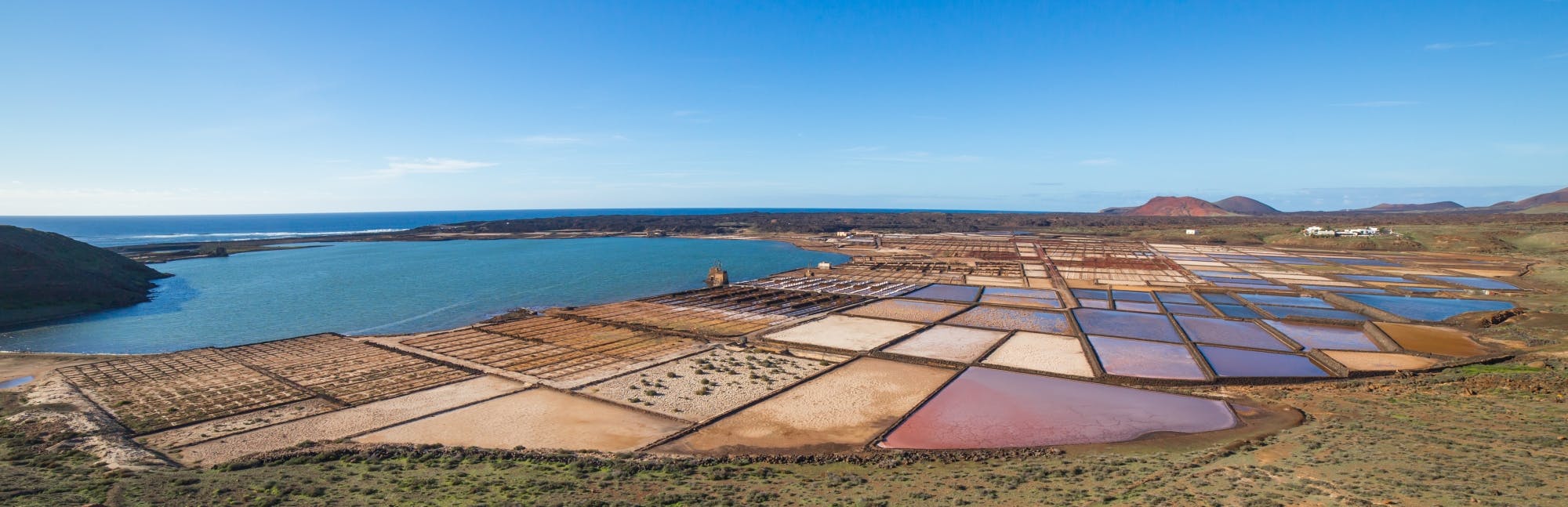
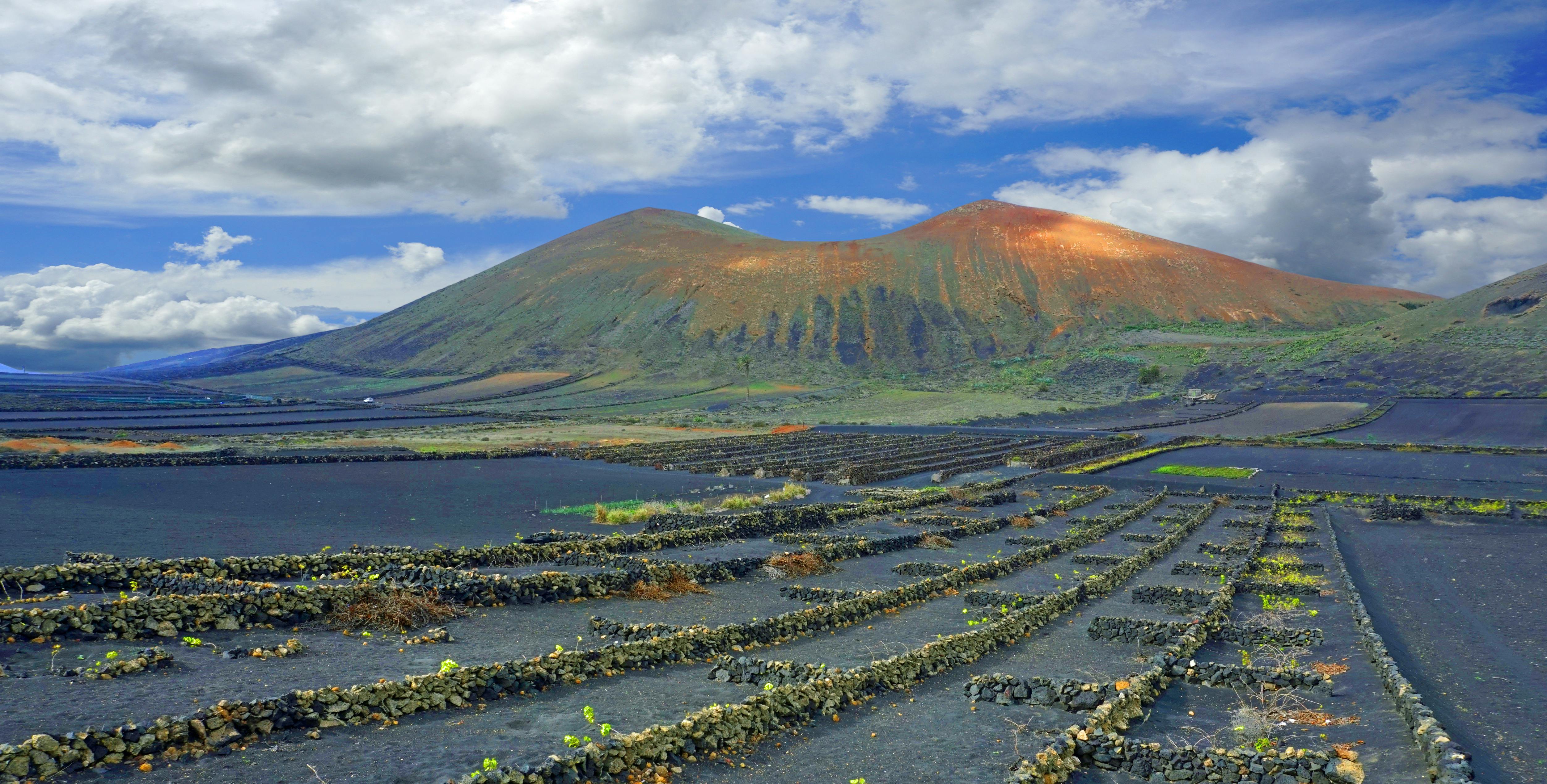
This grand tour of Lanzarote leaves no stone unturned. ‘You'll unearth the secrets of this volcanic island through the eyes of someone who has made it their home,' says Daria, one of our expert guides. Discover the island's spectacular green north and the volcanic south, visiting Timanfaya National Park, Jameos del Agua caves and a winery along the way.The fun starts with a trip to the subterranean salt lake at Jameos del Agua. This ancient volcanic cavern was converted into a bar and concert space by local architectural legend, Cesar Manrique. After lunch, you'll get to find out how grapes are grown at a volcanic soil winery. You'll sample one-of-a-kind local wines from La Geria, a unique wine-growing region created after the Timanfaya volcanic eruptions 300 years ago. Next up is the Salinas de Janubio salt flats where traditional methods are still in use. Seawater enters shallow basins, evaporates under the sun, and workers harvest the salt manually. These salt flats are a haven for migratory and coastal bird species.Thanks to its otherworldly natural landscape, Lanzarote was declared a UNESCO Biosphere Reserve in 1993. And the star of the show here is undoubtedly Timanfaya National Park. Follow the famous Lunar Route and explore lava fields, volcano craters and steaming geysers as you learn about why the whole island has achieved this special UNESCO-listed status. Then, experience it up close as you feel the heat beneath your feet and witness brushwood burn into flames.
de, en, fr, pl
Northern Lanzarote tour with Green Caves and Jameos del Agua with optional lunch
Larger-than-life Lanzarote legend César Manrique left his imprint all over the island, but nowhere more so than the north. The architect was inspired by the region's extraordinary geology. This tour takes in three iconic sights – the Green Caves, Jameos del Agua and Mirador del Rio. David, one of our local guides, says, "the north of the island was a canvas for Manrique's palette. As he used to say, “the north is still the traditional Lanzarote.”First up are the Green Caves, where a maze of galleries and stairways lead you to a natural auditorium. These caverns – 16 have been discovered so far – are air bubbles that are linked by a tunnel created by the lava flow from a volcanic eruption. During the 1960s, the Cabildo of Lanzarote commissioned Jesús Soto to adapt the cave system for visitors, creating one of the island's most fascinating attractions. The influence of Manrique is, however, even more pronounced in the Jameos del Agua. Here, he harmonised this roofless volcanic cave, adding rock gardens and a glassy lake, filled with blind, white crabs found only in Lanzarote.Also on the agenda is Mirador del Rio, one of Manrique's most sci-fi creations. Not only does this viewpoint blend in seamlessly with its surroundings atop a 470-metre-tall cliff, but it boasts wow-factor vistas across to the island of La Graciosa. Next, you'll head to Haria, an oasis of green known as the “Valley of a Thousand Palms,” scattered with whitewashed houses and surrounded by peaks. If you book the tour option that includes lunch, you'll sit down for a meal made from locally sourced ingredients in a typical Canarian house here, too.
de, en, nl
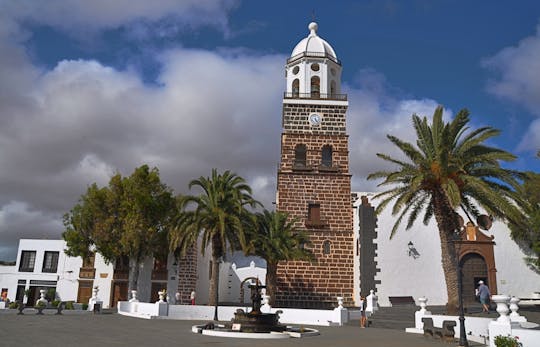
Passeio curto pelo norte de Lanzarote
Vais apaixonar-te por Lanzarote após esta excursão de meio dia pelo norte, enquanto percorres paisagens pontilhadas de aldeias caiadas de branco, vulcões e palmeiras. Após uma paragem em Teguise para apreciar as vistas panorâmicas, seguirás para a gruta vulcânica Jameos del Agua, que possui uma lagoa subterrânea natural onde poderás observar caranguejos albinos nativos. Em seguida, seguirá para visitar as Grutas Verdes, ou Cueva de los Verdes. Este antigo sistema de grutas formou-se há cerca de 5.000 anos, quando o vulcão La Corona entrou em erupção, criando um vasto túnel a partir dos fluxos de lava. César Manrique ajudou a redesenhar as grutas para os visitantes na década de 60 e irá verificar que a sua iluminação subtil confere ao local uma atmosfera sobrenatural.
de, en, es
Principais atrações em Lanzarote



Você também poderá gostar

Transfer to Saborea Lanzarote Food Festival
Book your transfer for an exclusive chance to see Lanzarote's Saborea festival, showcasing the very best in produce from around the island.
de, en
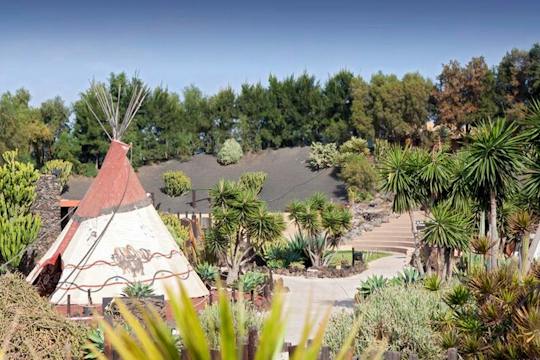
Rancho Texas Park with transport and optional lunch
Book a day of family fun at Rancho Texas Lanzarote Park with this tour. The kids will love the animals and the splash zone.
en
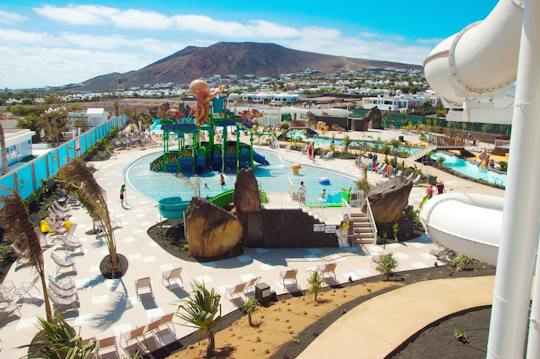
Aqualava Waterpark with Transfer
Book here to experience a day out at Aqualava Waterpark, Lanzarote, complete with transfers.

Bilhete para a Noite de Natal com Música Country e Western no Rancho Texas
Desfrute de uma noite de diversão festiva no Rancho Grande, em Lanzarote. Reserve aqui para desfrutar de um ambiente festivo, com bebidas, churrasco e espetáculo.
en, es
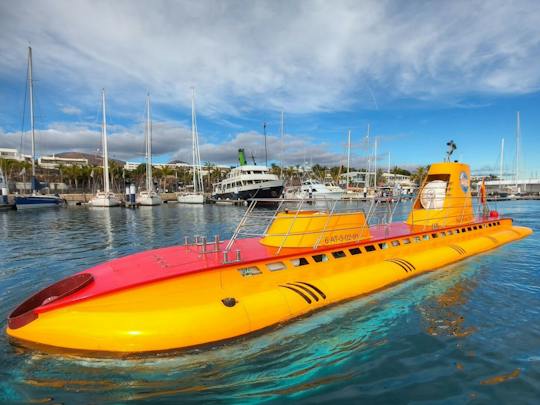
Discover the shoals and shipwrecks off Lanzarote with this submarine tour from Puerto Calero. Book here for cruise plus return transfers.
de, no, fi, en, it, +4 fr, pl, es, nl

New Year's Eve at Rancho Texas – with transfer
Enjoy an epic family New Year's Eve at Rancho Texas in Lanzarote. Book here for a Wild West extravaganza with drinks, buffet, show and round-trip transfers.
en, es

Country and Western Halloween night at Rancho Texas ticket
Trick or treat yourself to a Halloween-themed family night out at Rancho Texas. Book your tickets today.
en, es

New Year's Eve at Rancho Texas – Ticket Only
Enjoy an epic family New Year's Eve at Rancho Texas in Lanzarote. Book here for a Wild West extravaganza with drinks, buffet, and show. Entrance ticket only.
en, es
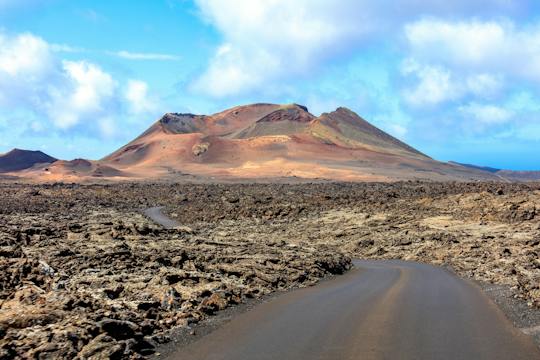
Lanzarote buggy trail tour for up to two people – no transfers
Buckle up and explore Lanzarote's volcanic landscape on this all-terrain buggy tour, discovering tucked-away locations with an expert local guide.
en, es

Aquapark Costa Teguise is the place to go to for adrenaline-fuelled hydrotherapy. Book your tickets here.
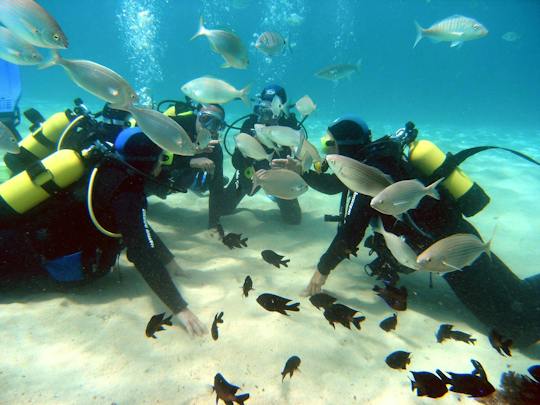
Native Diving Learning - Double Try Dive
If you've fancied a taster of scuba diving but don't want to sign up for a full course just yet, then this is just for you, and the kids. You'll join qualified instructors to get your first feel of
de, en, fr, es
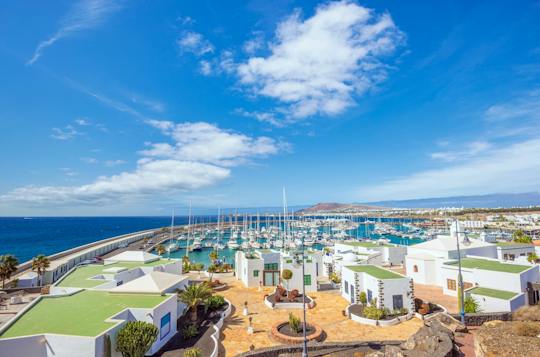
Guided shopping and exploration trip to Marina Rubicón
As leisurely mornings go, it doesn't get more easy going than this trip to Marina Rubicón, where you can wander around the waterfront and shop for souvenirs at the local market at your own speed.
de, en
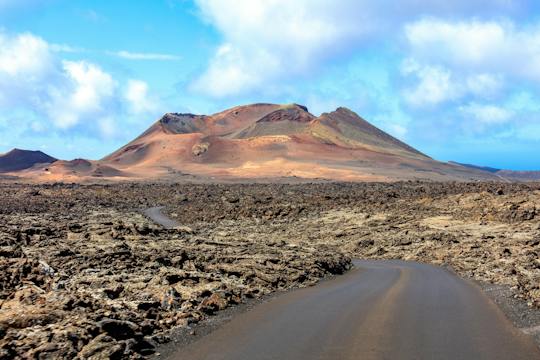
Three-hour Lanzabuggy buggy tour
Book here for a three-hour dirt buggy experience. See volcanic landscapes and whitewashed villages.
en, es

Noite de Natal ao estilo Country & Western no Rancho Texas, com transporte incluído
Desfrute de uma noite de diversão festiva no Rancho Grande, em Lanzarote. Reserve aqui para desfrutar de um ambiente festivo, com bebidas, churrasco, espetáculo e transporte de ida e volta.
en, es
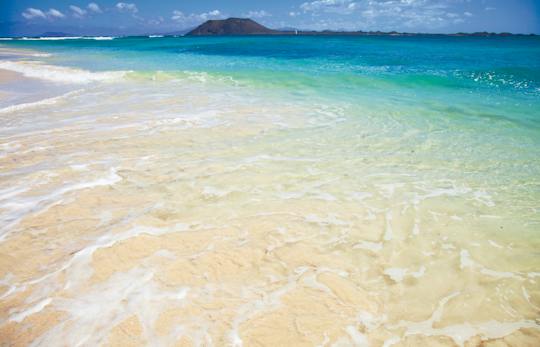
Lobos Island and Dolphin Watching Trip
Book here for a tour of Lobos Island. Sail from Puerto del Carmen on the lookout for dolphins and whales, before spending time swimming and relaxing.
en, fr, es
Um pouco da história
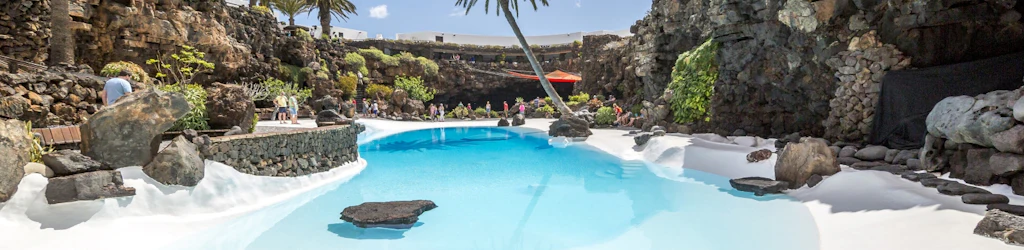
Escondido no interior de um túnel vulcânico na costa norte de Lanzarote, Jameos del Agua é uma das atrações mais notáveis da ilha. Transformado por César Manrique, este espaço único combina natureza, arte e arquitetura numa série de grutas de lava formadas há milhares de anos pela atividade vulcânica. Paredes caiadas de branco, jardins tropicais e uma impressionante piscina turquesa criam um cenário que parece simultaneamente natural e cuidadosamente concebido.
Ao explorar o local, poderá percorrer câmaras vulcânicas, admirar a lagoa subterrânea e conhecer as forças geológicas que moldaram a ilha. O espaço é também habitat de uma espécie rara de minúsculo caranguejo albino cego, que não existe em mais nenhum lugar do mundo. Apesar do seu aspeto convidativo, a icónica piscina foi concebida como uma obra de arte, pelo que não é permitido nadar.