Plovdiv, one of the world's oldest continuously inhabited cities, boasts a rich history dating back to the 6th millennium BC. From its humble beginnings as Neolithic settlements, it evolved into bustling Thracian communities and later flourished as a significant Roman provincial centre. This city was adorned with grand architecture, bath complexes, broad streets, and a dynamic urban culture that still resonates today.
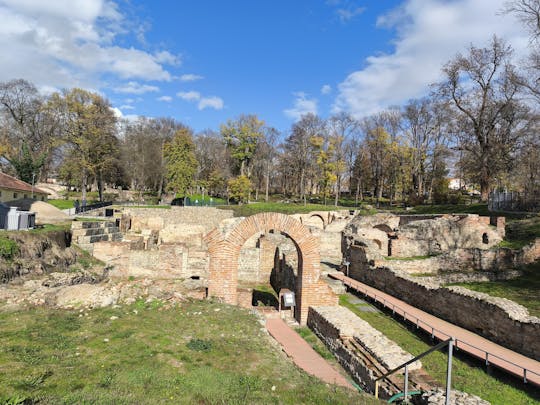
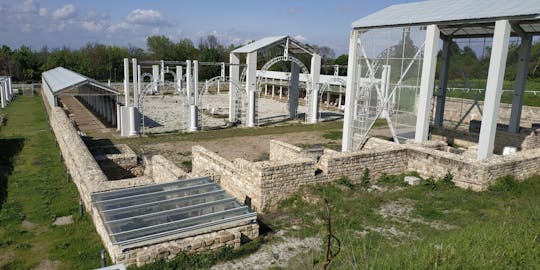
The city's historical layers are strikingly visible in the present day. The Ancient Roman Theatre, one of the best-preserved globally, continues to host performances. Underneath the modern pedestrian zone lie the remnants of the Roman Stadium, once capable of accommodating tens of thousands of spectators. The Bishop’s Basilica of Philippopolis is equally impressive, renowned for its extensive early Christian mosaics showcasing remarkable artistry and symbolism.
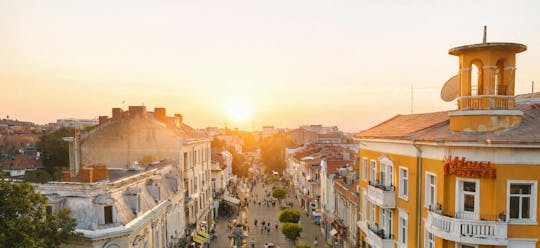
The Old Town is famous for its ornate Revival-period mansions, once owned by distinguished merchants and scholars. These beautifully painted and elegantly crafted houses now serve as museums, revealing traditional costumes, crafts, music, and daily life from past centuries. A walk through Kapana, the city's creative quarter, offers a lively contrast. Once a craftsmen’s neighbourhood, it has transformed into a bustling maze of cafés, galleries, street art, boutique shops, and bars. Plovdiv's rich cultural layers have been preserved across Byzantine, medieval Bulgarian, Ottoman, and Revival eras.

 Guided tour
 Entrance fees