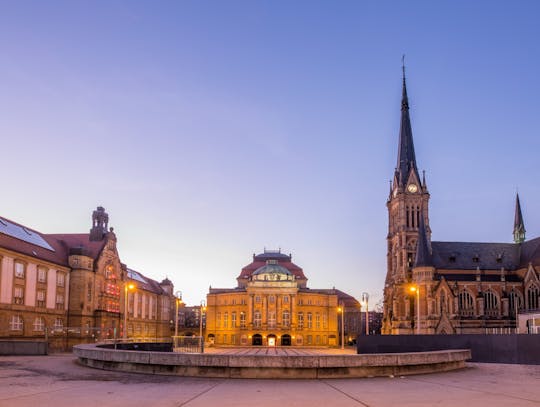
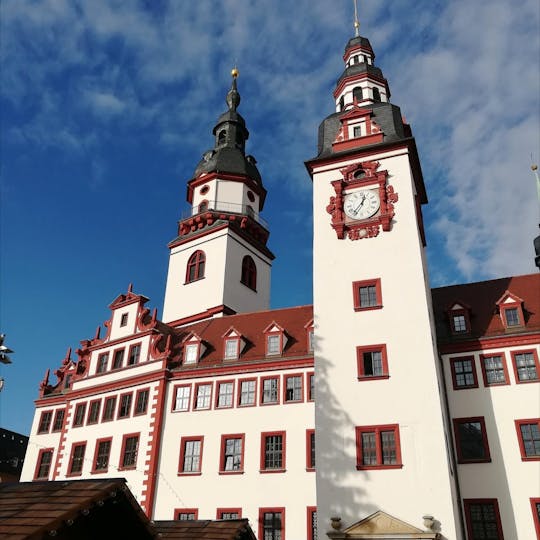
Chemnitz, a city that endured significant destruction during World War II, saw nearly 80 per cent of its centre requiring reconstruction. The devastation led to the loss of many historic streets and emblematic buildings that once characterised the city. However, through diligent restoration efforts, structures such as the market square's Siegert House and the opera house at Theaterplatz emerged as potent symbols of renewal.
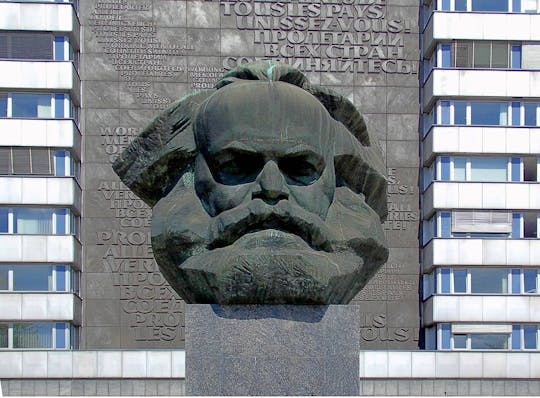
Today, Chemnitz's Straße der Nationen showcases an eclectic mix of architectural periods. It features everything from restored historic façades to striking examples of East German modernist design. During the GDR era, Chemnitz was conceived as a model city, boasting wide streets, systematic urban planning, and distinctive public spaces that continue to influence its appearance.
As the designated European Capital of Culture for 2025, Chemnitz embodies a robust link between history, reconstruction, art, and contemporary urban identity. This tour provides a fascinating insight into how the city has evolved through various political and cultural eras.

 Audio-guided tour
 Entrance ticket